Electricity prices and energy saving became the top national topics last winter. But why did prices rise, what kind of electricity contract should you choose and how can the energy crisis be solved?
Energy prices sometimes reached peak levels last winter, and the increased cost of electricity was felt painfully in the wallets of both private individuals and companies. Why did electricity become so expensive?
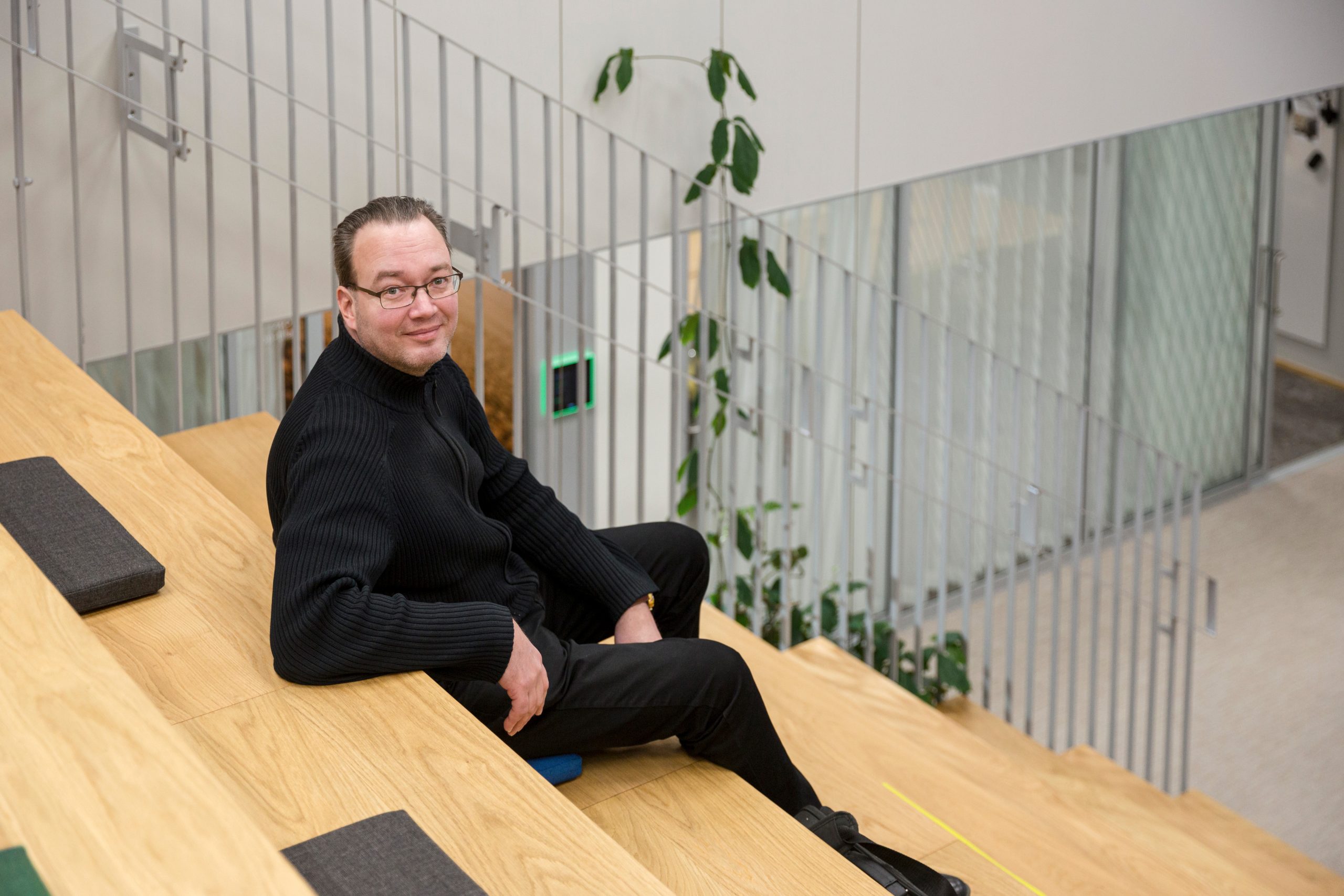
– The price of electricity rose to a very high level, the main reason for which is Russia's invasion of Ukraine, says Timo Honkanen, CEO of Turku Energia.
When cheap electricity is no longer imported from Russia, the electricity needs of Finns must be met by other means.
Honkanen explains that the market price of electricity is formed every day on the power exchange. The price is affected by how much electricity is consumed. Daily electricity demand is first met with low-cost forms of energy such as hydropower, wind power, and nuclear power, but when their capacity is exhausted, we switch to more expensive forms of power generation using combustion technology. That is why the more electricity is used, the more expensive it becomes. For example, in severe cold, the price of electricity is at its highest.
Power cuts are possible if electricity consumption exceeds supply.
– If electricity runs out, we have to rotate power cuts, otherwise the entire electricity grid will collapse, explains Honkanen.
– This is a new thing for people, but energy companies have prepared for various exceptional situations, so this is nothing new for us. We normally carry out a couple of crisis exercises a year, and last year we conducted several major exercises in cooperation with, for example, the rescue services. So, we are prepared for exceptional situations, says Honkanen.
What kind of electricity contract should you make – is a fixed-term contract the safest, or would it be worth trying exchange electricity? How can you tell what kind of electricity you should buy at all?
– You don't know it from anywhere. You only know what was worth it in hindsight, says Honkanen.
– Exchange electricity is not a bad option at all, especially if a large number of people use it, because then electricity is used less when it is expensive and more when it is cheap.
Companies have similar contracts to private individuals, but their fixed-term contracts can be longer than those of consumers. That is why some companies are still operating on cheaper electricity. It may be harder for companies to play with exchange electricity like consumers do, but they can have demand response contracts at their disposal. With these, companies can interrupt their electricity usage, for example, for a few hours when electricity is expensive.
“Global energy consumption is growing exponentially.” Timo Honkanen, CEO of Turku Energia.
– We have been asked why we cannot offer a price cap on electricity. Unfortunately, that is not possible, because as a company, we are also dependent on exchange electricity. About 30–50 percent of the electricity we sell is our own production, and we buy the rest. If we set a price cap that is below the price at which we buy electricity ourselves, we will quickly be in trouble ourselves.
Energy consumption in the world is currently growing exponentially, so the need for electricity is not decreasing anywhere. So, how do we move forward from the energy crisis?
– The fastest way in an acute crisis is for everyone to examine their own electricity consumption and try to limit it: for example, turn off the lights whenever you leave and take only a quick shower when washing. People in Turku have already saved electricity significantly, as the consumption curve for the beginning of the year has been about 16 percent lower than at the same time last year, even though the temperature is about the same.
– In the longer term, the matter will be solved by increasing electricity production by means that are affordable. Hydropower cannot really be built more in Finland, but wind power can. Many new wind farms are coming to Finland, and we at Turku Energia are involved in a project that will double our wind power capacity.
Honkanen says that Turku Energia's goal is to be carbon neutral in 2029. The company has made significant investments over the last 20 years and invested in renewable energy. Turku Energia owns, among other things, a share of a hydropower plant in Norway and is involved in building wind farms in Finland.
– Sometimes people ask why we don't build wind or hydropower plants in the Turku area. Such investments must be made where there are the best conditions for such power plants. Their profit then comes to the benefit of the people of Turku.
Turku Energia and Turun Seudun Energiantuotanto also have a lot of energy production in Turku, including the Oriketo bio-heating plant, the Artukainen steam heating plant, and heat pumps in Kakola.
Turku Energia
Industry: energy
Established: 1998
Employees: 330
Revenue: €260 million (2021)